
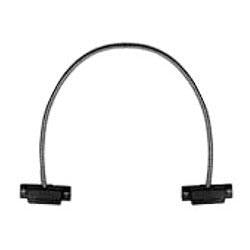
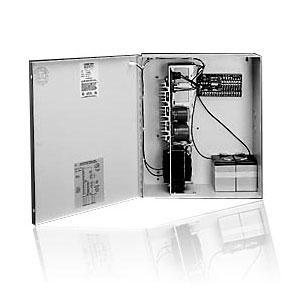
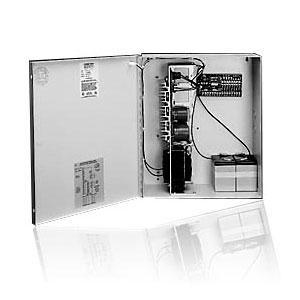


Access control door hardware is a large subsection of devices that establish security inside a building. It is essentially any physical device or component that is part of your access control system. In the modern era, access control hardware can range in complexity from devices as simple as a button to infrared motion and proximity sensors. We offers a large catalog of different types of access control hardware that aim to secure your commercial property.
Access control starts at the door, and the hardware there decides whether the system works and whether the opening is still safe to leave through. Shop electric strikes, electrified locks, latch retraction exit devices, magnetic locks, power transfer and request-to-exit devices. In stock at Commercial Door Hardware and shipping the same day.
Four Ways to Electrify an Opening
A credential reader and a controller are only half a system. Something at the door has to physically release, and there are four ways to do it. They are not interchangeable.
|
Method |
What it releases |
Keeps a latch |
Suits |
|---|---|---|---|
|
Electric strike |
The strike receives the latch and releases it |
Yes |
Most single doors with a lockset |
|
Electrified lock |
The lock's outside lever is electrically controlled |
Yes |
Openings where the lock should stay the lock |
|
Electric latch retraction |
Retracts an exit device's latch electrically |
Yes |
Exit devices on egress doors |
|
Magnetic lock |
Holds the door with a magnet, no latch at all |
No |
Limited, code-constrained applications |
The "keeps a latch" column is the one that matters most. A fire rated door has to latch positively. A magnetic lock provides no latch, which is why it's generally unsuitable on rated openings and why its use is tightly constrained everywhere else.
Electric Strikes
The most common approach on a single door with a conventional lockset. The strike in the frame releases on signal, so the latch can pass. The lock itself is untouched.
Electrified Locks
The lock's outside lever is electrically controlled, fail safe or fail secure. Preferable to a strike where you want the lock to remain a proper lock, where the frame can't accept a strike, or where the outside trim should go rigid when locked. Sargent offers electrified functions across its mortise and cylindrical lines; confirm the exact function designations against Sargent's documentation for your configuration.
Electric Latch Retraction
On an exit device, latch retraction pulls the latch back electrically so the door pushes open freely from outside, while the push bar still works mechanically from inside at all times. This is how you put access control on an egress door without compromising egress. Note the high inrush current; see Power Supplies below.
Magnetic Locks
A magnet holds the door closed. There's no latch and no mechanical release, which is the whole problem. Covered in detail below.
Fail Safe vs. Fail Secure
Two words that get swapped constantly, with consequences.
|
Fail safe |
Fail secure |
|
|---|---|---|
|
Power lost |
Unlocks |
Stays locked |
|
Also called |
Fail unlocked |
Fail locked |
|
Security on power failure |
Lost |
Maintained |
|
Access on power failure |
Maintained |
Lost |
|
On fire rated openings |
Generally not permitted |
Generally required |
Fail-secure is generally what a fire-rated opening requires, because the door must remain positively latched. A fail-safe strike on a rated door unlatches the assembly the moment power drops, which defeats it.
And the point that resolves most of the anxiety here: neither setting affects mechanical egress. On a properly specified opening, the inside lever or push bar retracts the latch mechanically regardless of power, regardless of the controller, regardless of whether the system is up. Electrification controls who gets *in*. Getting *out* stays mechanical.
That principle is what separates a correctly specified access-controlled door from a dangerous one.
Request to Exit and Monitoring
|
Device |
Function |
|---|---|
|
Request to exit switch |
Signals the system that egress is occurring, so it isn't logged as a forced door |
|
Latch monitor |
Reports whether the latch is engaged |
|
Door position switch |
Reports whether the door is open or closed |
|
Key monitor |
Reports mechanical key use |
These matter for alarm quality. Without request-to-exit, every legitimate exit looks like a forced door, and a system generating constant false alarms gets ignored — which is a security failure arriving by a different route.
Available Finishes
|
Code |
Finish |
Notes |
|---|---|---|
|
626 / US26D |
Satin chrome |
The commercial default for locks and trim |
|
630 / US32D |
Satin stainless steel |
Exterior, healthcare, washdown |
|
613 / US10B |
Oil rubbed bronze |
Bronze entrance schedules |
|
612 / US10 |
Satin bronze |
Bronze schedules |
|
625 / US26 |
Bright chrome |
Polished schedules |
|
689 |
Aluminum painted |
Common on exit devices and electronic accessories |
|
690 |
Dark bronze |
Dark schedules |
|
628 |
Satin aluminum, clear anodized |
Aluminium storefront entrances |
|
BSP / WSP |
Black and white suede powder coat |
Contemporary schedules |
-
Electric strikes are mostly concealed in the frame, so the visible finish is usually just the faceplate. Match it to the frame rather than the lock.
-
Electrified locks and exit devices show fully, so match them to the rest of the opening.
-
628 satin aluminium is the match on aluminium storefront entrances, where 626 reads as wrong.
-
In healthcare, 630 satin stainless survives the cleaning chemistry better than plated finishes.
-
Availability varies by device and function, so confirm the finish for your configuration on the product page.
Key Features
-
Electric strikes in fail safe and fail secure configurations.
-
Electrified mortise and cylindrical locks keeping the lock a lock.
-
Electric latch retraction on exit devices, preserving mechanical egress.
-
Request to exit, latch and door position monitoring for clean alarm reporting.
-
Power transfer by hinge, edge unit or door loop.
-
Magnetic locks where the arrangement is permitted and properly interfaced.
-
Delayed egress options where permitted.
-
Mechanical key override retained on electrified locks.
Benefits
-
Credential-based access without issuing and collecting keys.
-
Mechanical egress preserved on correctly specified openings.
-
Audit trail of who entered which opening and when.
-
Instant access changes when someone joins or leaves.
-
Scheduling, so openings unlock and lock on time automatically.
-
Lockdown capability across a group of openings.
-
Integration with fire alarm so openings behave correctly in an emergency.
-
No rekeying on turnover, since credentials are revoked instead.
-
Ready to ship. In-stock access control hardware ships the same day.
Applications
-
Building perimeter entrances with credential access.
-
Server, comms and IT rooms needing an audit trail.
-
Pharmacy, records and controlled storage.
-
Laboratories and clean areas with restricted access lists.
-
Tenant suite entrances in multi-tenant buildings.
-
School exterior doors with scheduled locking and lockdown.
-
Stairwell doors where controlled re-entry is required.
-
Loading docks and service entrances.
-
After-hours access on doors open during business hours.