
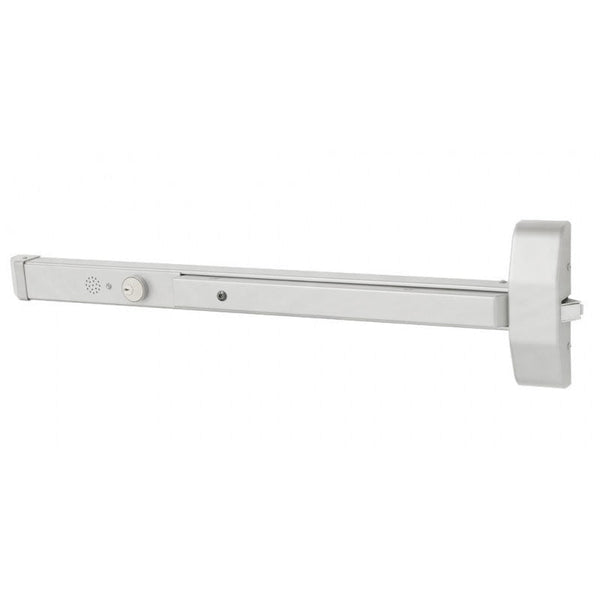
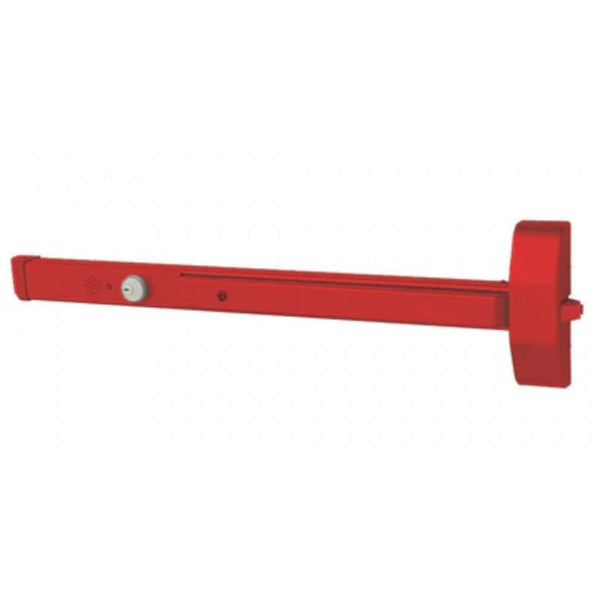
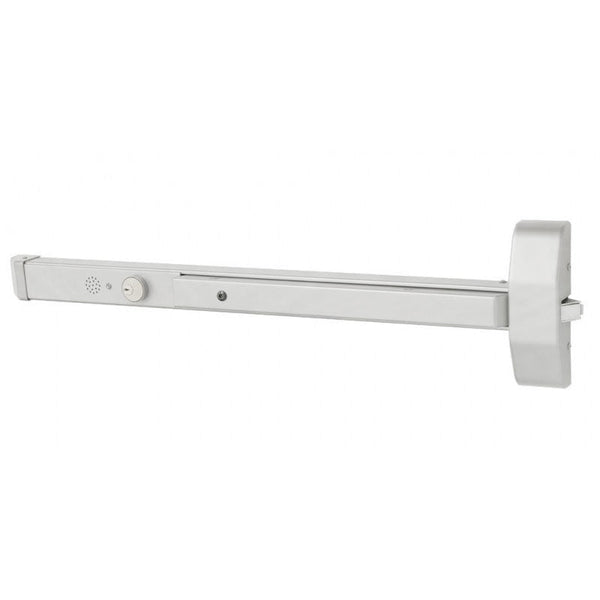
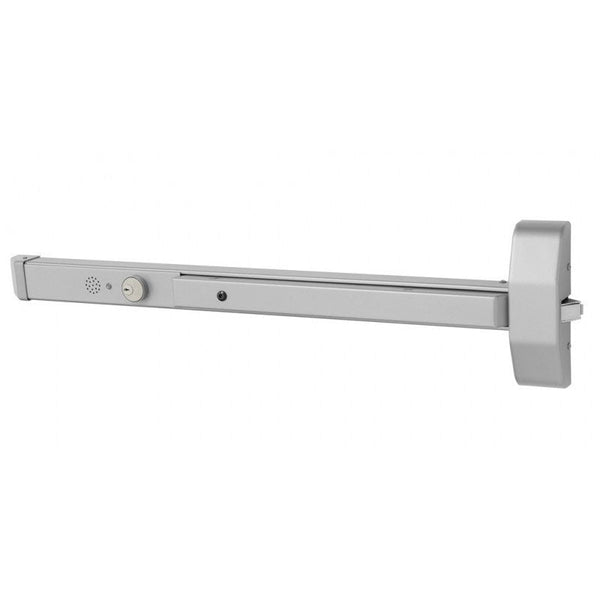
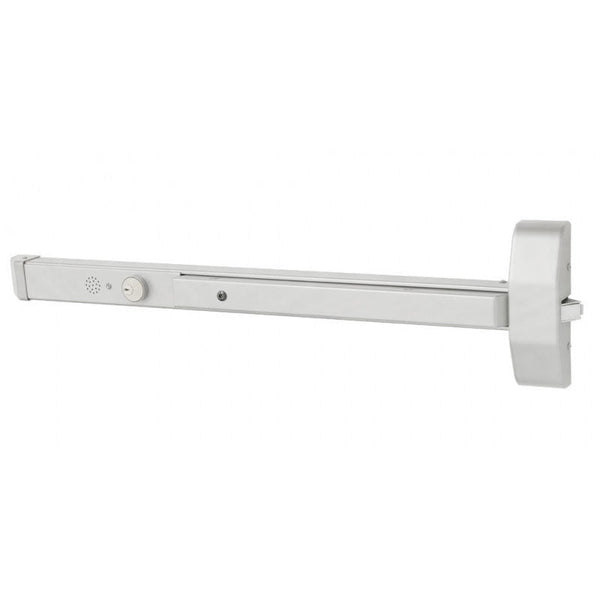
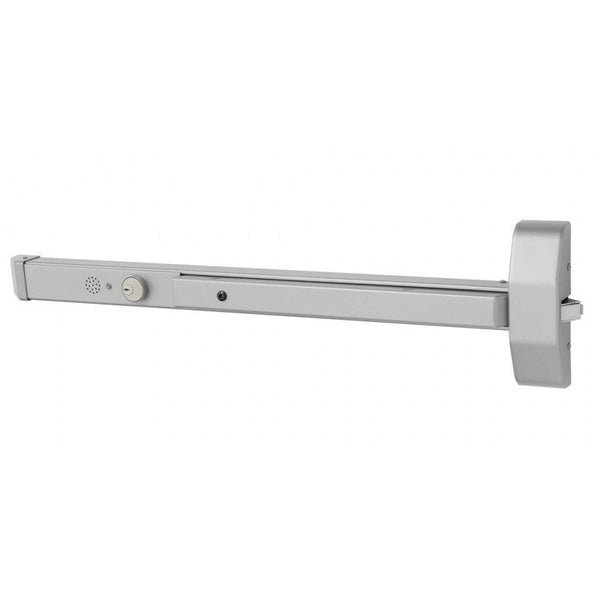
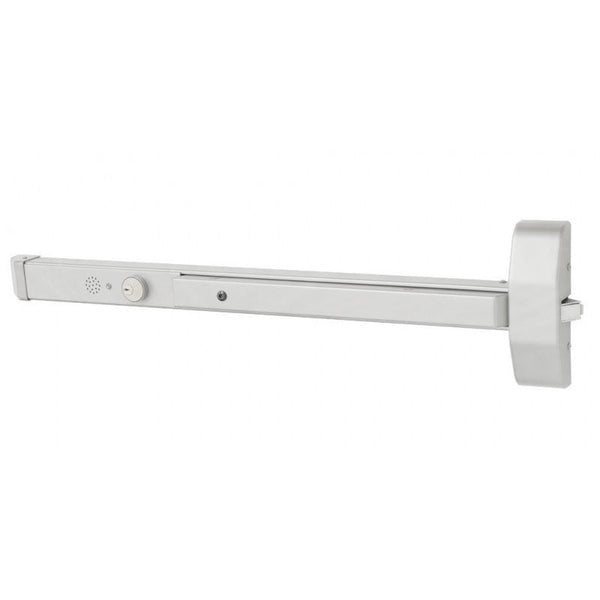
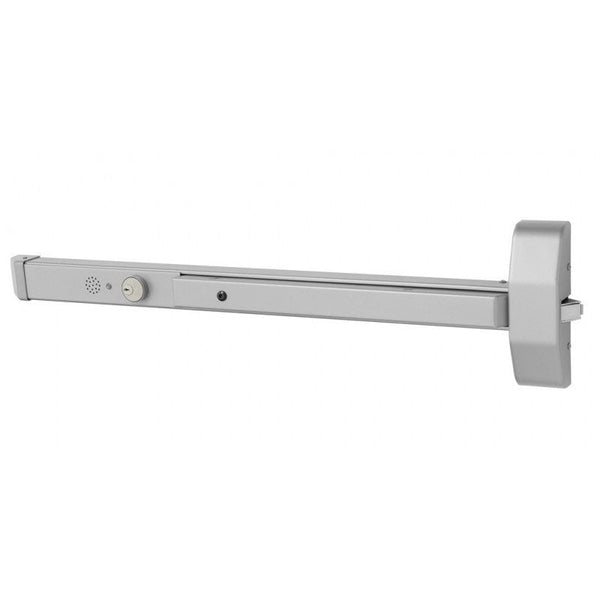
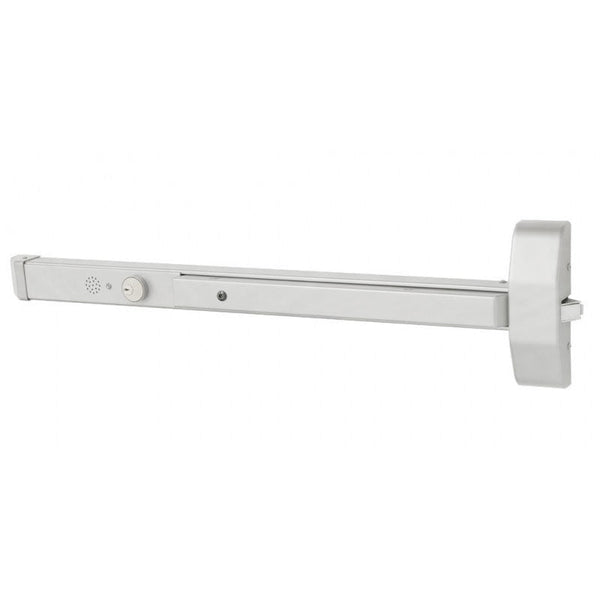
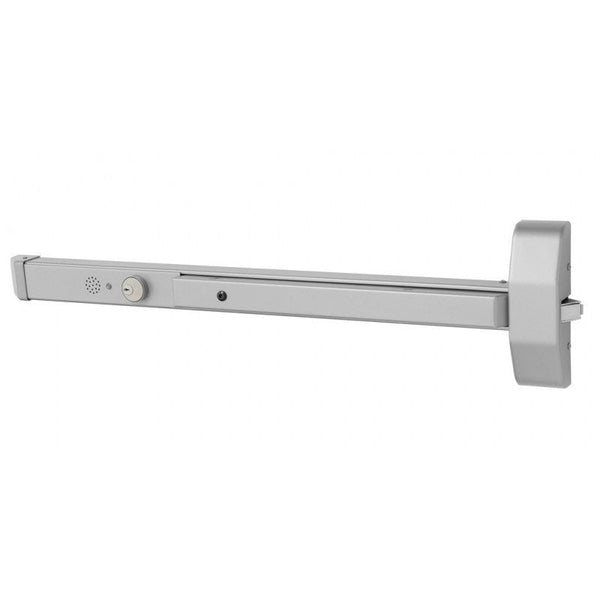
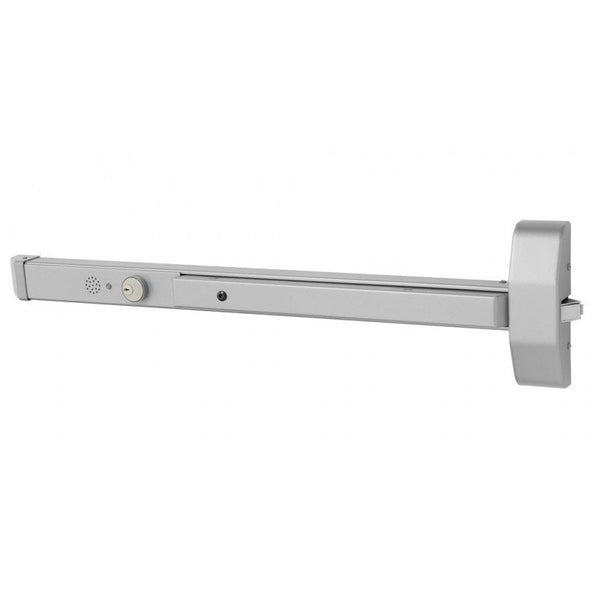
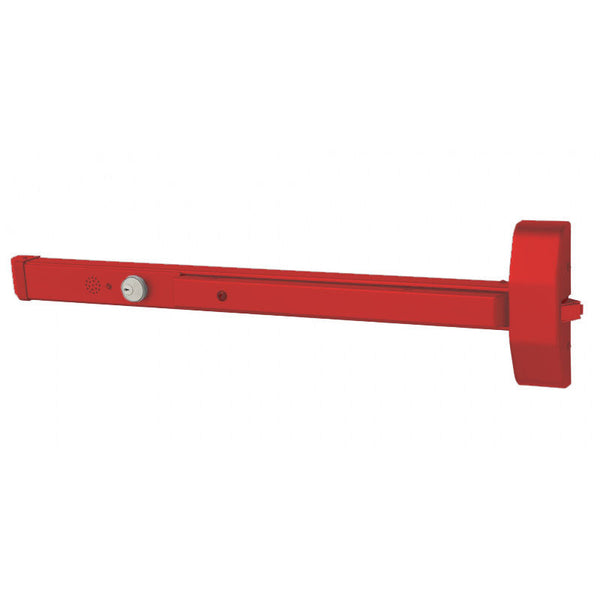
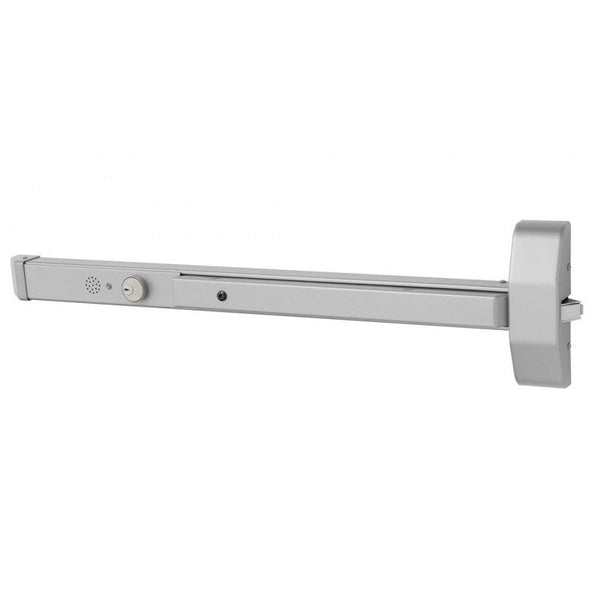
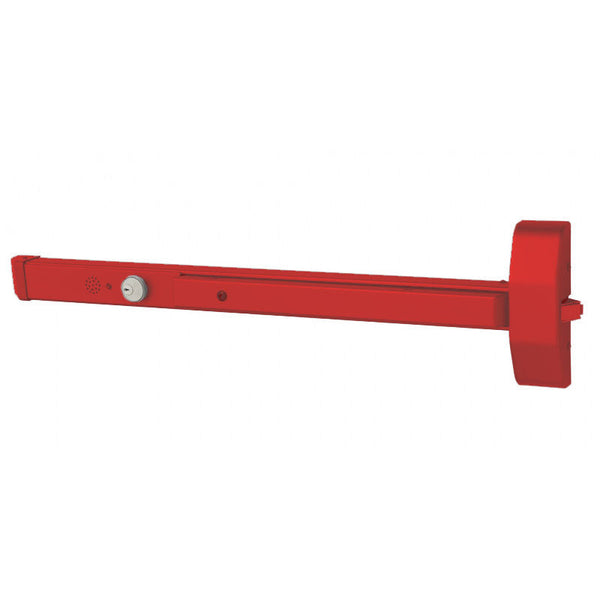
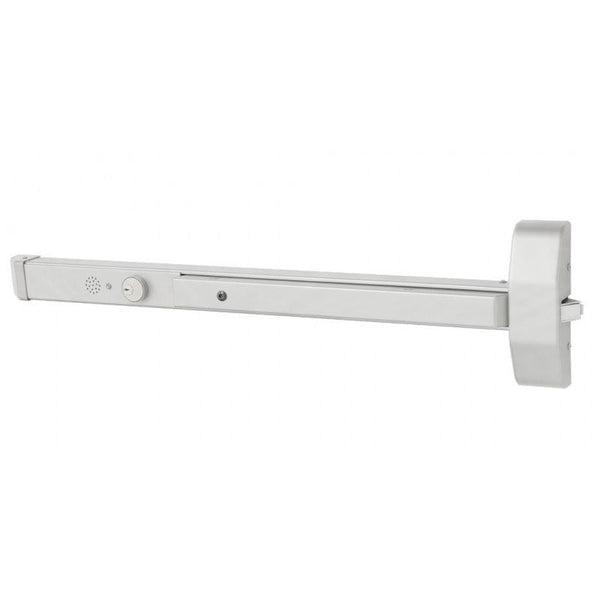
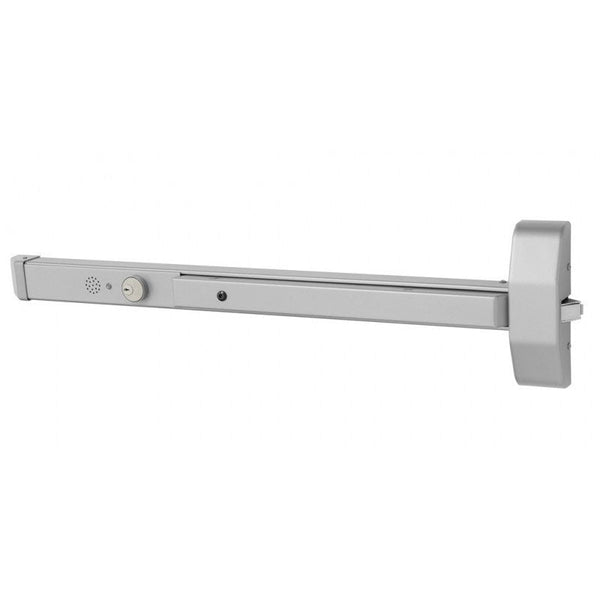
Commercialdoorhardware.com carries Door Hardware from the industry's top brands like Sargent 5810, 5804. Alarmed exit devices: fire-rated, non-rated, less dogging, cylinder dogging, automatic relock, weather-resistant, electrical or mechanical.
An exit device gets people out. An alarmed exit device tells you when it did. Shop alarmed panic bars with built-in alarms, including the Sargent 5300 Series in narrow stile and wide stile push pads, with cylinder dogging, hex key dogging, and less dogging options, in fire-rated, non-rated, and weather-resistant configurations. Every product is in stock at Commercial Door Hardware and ships the same day.
What an Alarmed Exit Device Does
Every commercial building has doors that have to open for anyone, immediately, in an emergency. That's what panic hardware is for: push the bar and the door opens, no key, no knowledge of the hardware required.
The problem is that the same door works just as well for someone slipping out with inventory, propping it open for a friend, or taking a shortcut through a secured area. You can't lock it, because egress is non-negotiable. An alarmed exit device solves that tension by building an alarm into the device itself. The door still opens instantly for anyone who pushes the bar. But when it does, a local alarm sounds, so unauthorized use gets noticed immediately while legitimate emergency egress stays completely unobstructed.
That's the whole design logic: never restrict egress, always announce it.
Alarmed Exit Device vs. Delayed Egress
These two are often confused, and they do very different things.
|
Feature |
Alarmed exit device |
Delayed egress device |
|---|---|---|
|
Door opens |
Immediately on push |
After a delay, where permitted |
|
Alarm |
Sounds when the device is used |
Sounds when the push begins |
|
Egress |
Never restricted |
Briefly restricted, subject to code |
|
Code requirements |
Generally fewer restrictions |
Tightly regulated by occupancy and alarm interface |
|
Typical use |
Emergency exits, stock rooms, secured corridors |
Specific retail and institutional applications where permitted |
Delayed egress is subject to strict requirements covering occupancy type, fire alarm interface, signage, and delay duration, and it isn't permitted everywhere. An alarmed exit device carries far fewer restrictions because it never holds the door. Confirm which is appropriate for your opening with your authority having jurisdiction.
Narrow Stile vs. Wide Stile Push Pads
The door determines which device fits.
|
Type |
Door type |
Why |
|---|---|---|
|
Narrow stile |
Aluminum storefront and glass entrances with narrow rails |
A slim push pad fits the limited stile width without overhanging the glass |
|
Wide stile |
Hollow metal, wood, and wide rail doors |
A full-width push pad gives a larger push surface on a substantial door |
Measure the door's stile width before ordering. A wide stile device won't mount to a narrow aluminum storefront door, and a narrow stile device on a wide door leaves much of the door without a push surface.
Dogging Options
Dogging holds the latch retracted so the door pushes open freely without operating the bar. During business hours, a retail or office entrance can be dogged so traffic flows through without the latch cycling, then undogged at close.
|
Option |
How it's set |
Best for |
|---|---|---|
|
Cylinder dogging |
A key cylinder sets and releases dogging |
Openings where key control matters, so only keyholders can dog the device |
|
Hex key dogging |
A hex key sets dogging |
Standard non-rated openings, keeping the function out of public hands |
|
Less dogging |
No dogging function supplied |
Fire-rated openings and any door that must latch at all times |
Fire-rated openings cannot be mechanically dogged. Fire exit hardware must latch every time the door closes, which is why "less dogging" exists as an option. Where a rated opening needs free access during the day, electric latch retraction is the route, since it releases the latch on a signal and re-latches on alarm. Confirm every rated opening with your authority having jurisdiction.
Configurations Available
|
Configuration |
What it means |
Typical application |
|---|---|---|
|
Fire rated |
Listed for use on fire door assemblies, no mechanical dogging |
Stairwells, rated corridors, fire separations |
|
Non-rated |
Standard panic hardware, dogging available |
Exterior exits, stock rooms, general egress |
|
Weather resistant |
Built for exterior exposure |
Perimeter doors, loading areas, exposed exits |
Available Finishes
Exit devices use BHMA finish codes, which appear at the end of the part number. Satin stainless is by far the most common on alarmed devices, since they're usually specified on back-of-house and perimeter openings where durability matters more than appearance.
|
Code |
Finish |
Where it fits |
|---|---|---|
|
630 / US32D |
Satin stainless steel |
The standard exit device finish; pairs with stainless pulls, plates and trim |
|
626 / US26D |
Satin chrome |
Matches satin chrome locksets and lever trim |
|
613 / US10B |
Oil rubbed bronze |
Bronze and darker hardware schedules |
|
605 / US3 |
Bright brass |
Polished brass entrances |
|
606 / US4 |
Satin brass |
Satin brass hardware schedules |
|
689 |
Aluminum painted |
Painted finish matching aluminum closers and framing |
|
BSP |
Black suede powder coat |
Contemporary and dark hardware schedules |
-
Match the device finish to its trim, since the two are visible together on opposite faces of the same opening.
-
Satin stainless resists wear and frequent cleaning better than painted finishes, which matters on a bar touched hundreds of times a day.
-
Confirm the exact finishes available for your chosen model and configuration on the product page, since availability varies by device and whether the opening is fire-rated or weather-resistant.
Benefits of Alarmed Exit Devices
-
Egress is never restricted. The door opens instantly on a push, with or without power.
-
Unauthorized use gets noticed. The local alarm sounds the moment the device is operated.
-
Deters door propping and casual misuse of emergency exits.
-
Supports code compliance by providing panic hardware where it's required.
-
One device, two functions. An alarm built into the exit device rather than a separate system.
-
Lower cost than an access control system on openings that only need monitoring.
-
Dogging options matched to rated and non-rated openings.
-
Available fire-rated, non-rated, and weather-resistant for any opening type.
-
Ready to ship. In-stock devices ship the same day.
Applications
-
Emergency exits in retail, where unauthorized use is a loss prevention problem.
-
Stock rooms and back-of-house doors in retail and warehousing.
-
School and university exterior doors that students prop open.
-
Hospital and healthcare corridors controlling access to restricted areas.
-
Hotel stairwells and service exits monitoring after-hours use.
-
Perimeter doors on office buildings and manufacturing facilities.
-
Secured corridors where egress must be available but monitored.
-
Rooftop and mechanical access doors requiring egress and monitoring.
Why Order Alarmed Exit Devices from Commercial Door Hardware
Commercial Door Hardware supplies door hardware for schools, healthcare facilities, offices, retail and institutional buildings across the country, carrying exit devices, locks, closers, hinges, thresholds and the parts that go with them from brands including Sargent, Von Duprin, Corbin Russwin, Accentra, Schlage, LCN and Norton.
For exit hardware specifically, that breadth matters. An exit opening is rarely just a device: it needs the right trim, a strike matched to the device, a closer that shuts and latches the door every time, and often a threshold and seals. Sourcing those from one supplier means they arrive together and match.
Everything in this collection is in stock and ships the same day, because an exit device that isn't working is a life safety problem, not a maintenance item. If you're matching an existing device, send us the model number, and we'll confirm the right replacement before you order