
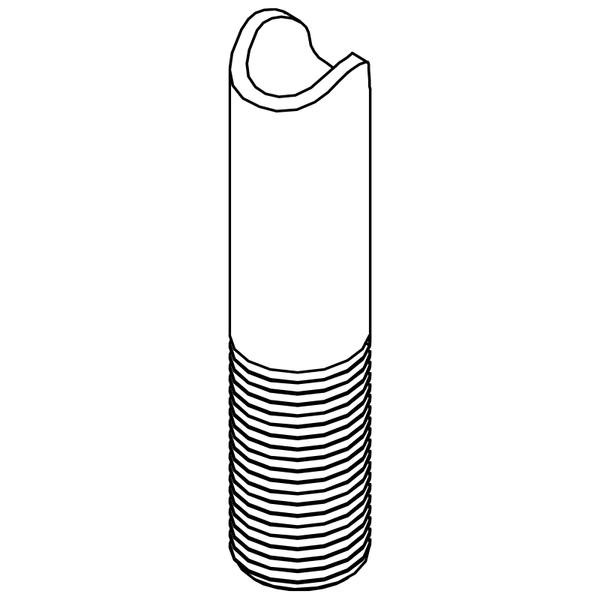

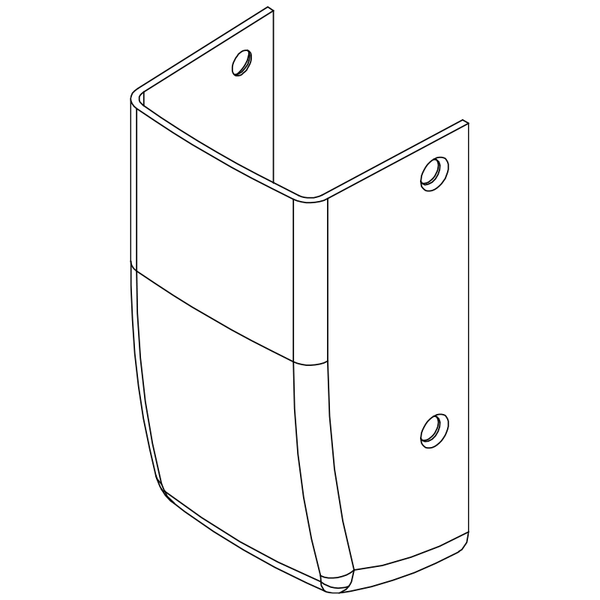
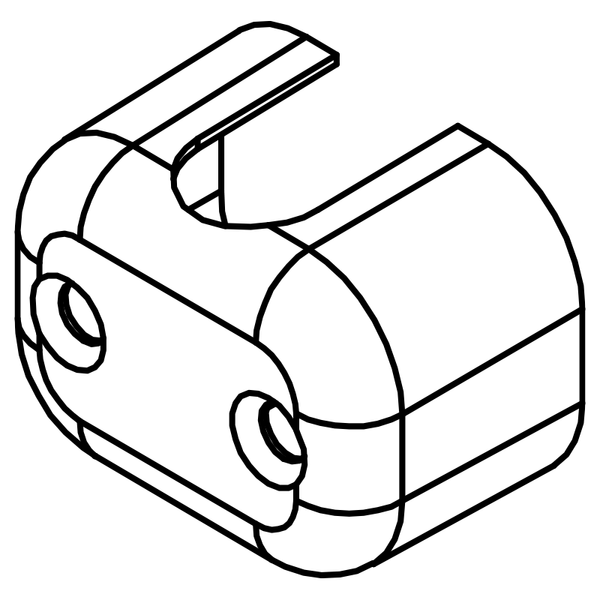
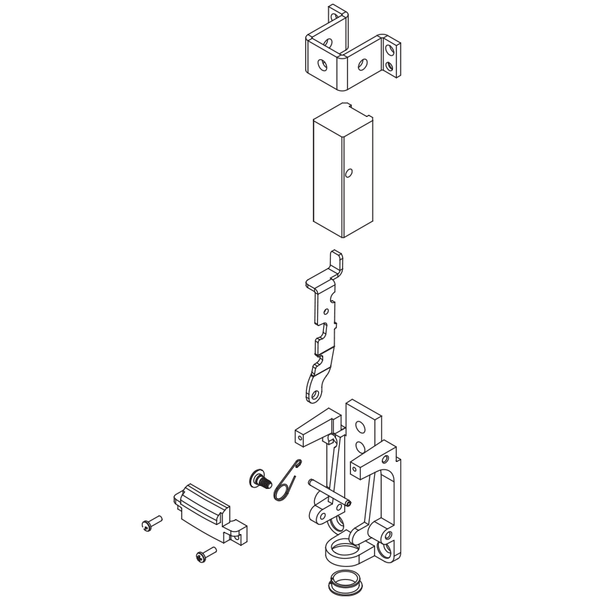
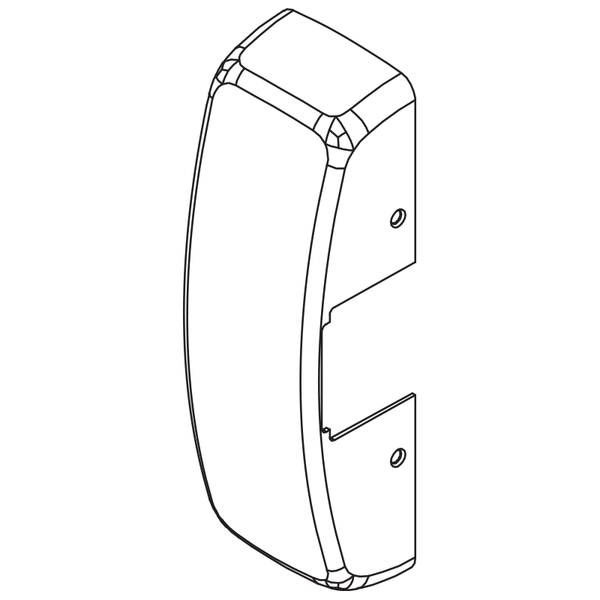

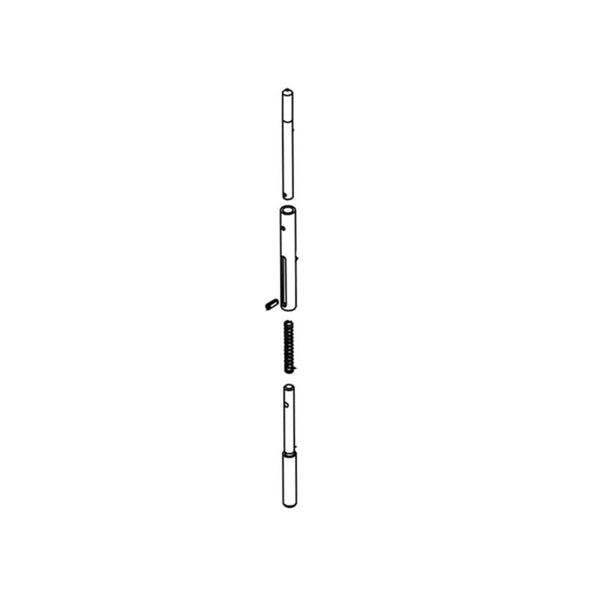
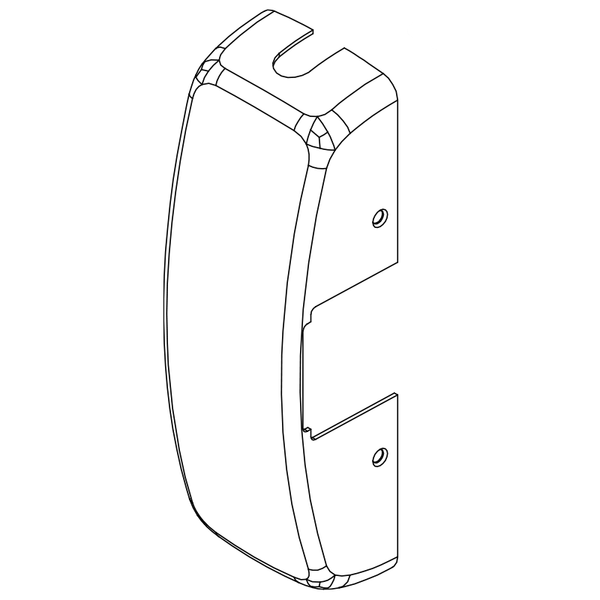
Surface vertical rod latch parts are crucial for the optimal operation and maintenance of vertical rod exit devices. They ensure that doors remain secure and provide safe emergency egress. Installed on the door surface, these parts are key to preserving the durability, reliability, and integrity of the entire hardware system.
When a surface vertical rod device stops latching, the problem is usually at the top or bottom of the door, not the device. Shop Sargent 8700 Series surface vertical rod latch parts, including top and bottom latch assemblies in fire-rated and non-rated versions, for both old-style and current-style devices. In stock at Commercial Door Hardware and shipping the same day.
Where Vertical Rod Devices Wear Out
A surface vertical rod exit device latches at two points: a top latch into a strike in the frame head, and a bottom latch into a strike in the floor. Rods run up and down the face of the door from the center case to each latch.
That design is what lets a pair of doors latch without a mullion, and it's also why the latches take the most punishment. The bottom latch sits at floor level, where it meets dirt, salt, carts, and kicks. The top latch takes the impact of every slam. When an SVR door won't latch, drags on the floor, or needs a second push, replacing the latch assembly usually restores it without replacing the entire device.
Old Style vs. New Style: Check the Date First
Sargent changed the 8700 Series latch design on November 11, 2002. Latch assemblies from before and after that date are not interchangeable, so the first step is identifying which you have.
|
Device built |
Style |
Typical part numbers |
|---|---|---|
|
Before 11/11/2002 |
Old style |
97-2434 top latch, 97-2038 bottom latch (non-rated) |
|
After 11/11/2002 |
Current style |
68-4557 top latch, 68-4549 bottom latch (non-rated) |
Old style top latches often carry casting number 97-0317 on the back and have three mounting holes. If you're unsure, send us photos of the latch, and we'll confirm the match.
Popular Sargent SVR Latch Parts
|
Part |
Description |
Fits |
|---|---|---|
|
Sargent 68-4557 |
Top latch assembly, non-rated |
8700 Series built after 11/11/2002 |
|
Sargent 68-4549 |
Bottom latch assembly, non-rated |
8700 Series built after 11/11/2002 |
|
Sargent 68-4558 |
Bottom latch assembly, fire rated |
12-8700 fire-rated devices |
|
Sargent 97-2963 |
Top latch assembly, fire-rated |
12-8700 fire-rated devices |
|
Sargent 97-2434 |
Top latch assembly, old style |
8700 Series built before 11/11/2002 |
|
Sargent 97-2038 |
Bottom latch assembly, old style |
8700 Series built before 11/11/2002 |
|
Sargent 68-3933 |
Top latch assembly (less cover) |
NB-8700 (less bottom rod) devices |
Fire Rated vs. Non-Rated Latches
Fire rated SVR devices carry the 12- prefix, as in 12-8700. They must use fire rated latch assemblies to keep the listing, which is why rated and non-rated latches are separate parts. Never install a non-rated latch on a 12- device.
NB-8700 devices omit the bottom rod and latch entirely, latching only at the top. They're common where a bottom latch would be damaged or where floor strikes aren't wanted, and they use their own top latch.
Available Finishes
Latch assemblies are typically finished to match the exit device. Order the finish that matches the existing device so the repaired door looks consistent.
|
Code |
Finish |
Where it fits |
|---|---|---|
|
630 / US32D |
Satin stainless steel |
The standard exit device finish |
|
689 / US28 |
Aluminum painted |
Matches aluminum closers and framing |
|
695 / SP313 |
Dark bronze painted |
Dark bronze hardware schedules |
|
BSP |
Black suede powder coat |
Contemporary openings |
Finish codes follow the BHMA system, with the older US designation shown alongside. The two codes describe the same finish, so 630 and US32D are interchangeable on a hardware schedule.
Benefits of Replacing SVR Latch Parts
-
Lower cost than a new device when the center case is sound.
-
Faster repair and less downtime on high-traffic openings.
-
Restores code-required latching on rated and non-rated doors.
-
Genuine Sargent parts matched to device era and rating.
-
Ready to ship. In-stock parts ship the same day.
Applications
-
School gymnasium and corridor pairs.
-
Hospital cross-corridor doors.
-
Stairwell pairs on fire-rated openings.
-
Auditorium and assembly exits.
-
Warehouse and loading area doors where bottom latches take abuse.
How to Order the Right SVR Latch
-
Confirm the device is a Sargent 8700 Series SVR.
-
Check for the 12- prefix to determine fire-rated or non-rated.
-
Determine the era: before or after November 11, 2002.
-
Identify top or bottom latch, and whether the device is NB- (less bottom rod).
-
Match the finish to the device.
-
Send us photos if you're unsure.
Why Order Sargent SVR Latch Parts from Commercial Door Hardware
Commercial Door Hardware supplies door hardware for schools, healthcare facilities, offices, retail, hospitality, and institutional buildings across the country, carrying exit devices, exit trim, locks, cylinders, closers, hinges, thresholds, weatherstripping, and the parts that go with them from Sargent, Von Duprin, Corbin Russwin, Accentra, Schlage, LCN, Norton, and Pemko.
SVR parts are easy to get wrong because they vary by era, rating, and configuration. We help confirm the right part from the device model and photos before it ships.
Every item in this collection is in stock at Commercialdoorhardware.com and ships the same day, because a failed exit opening is a life safety and security problem rather than a maintenance item.