
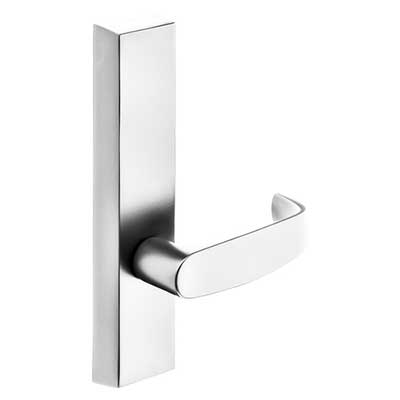
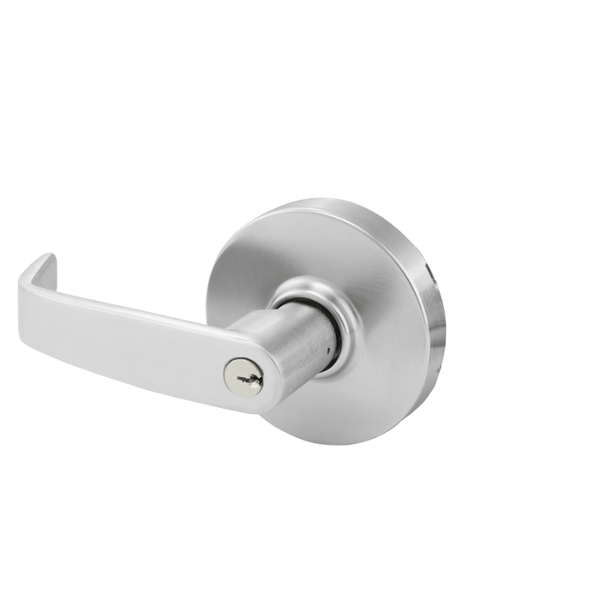
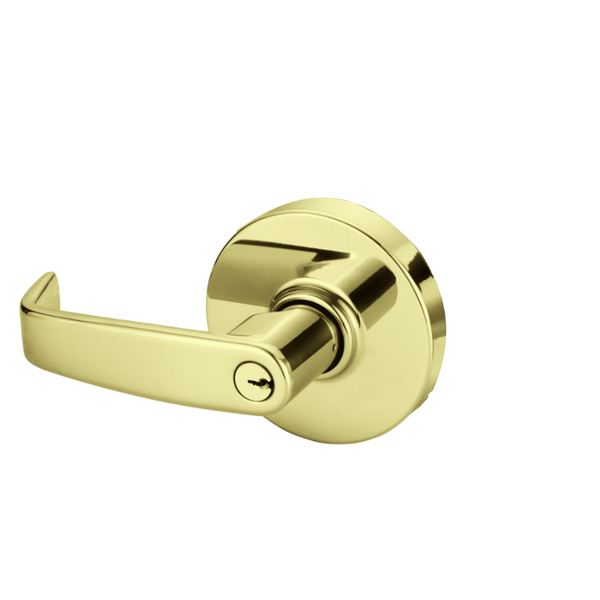
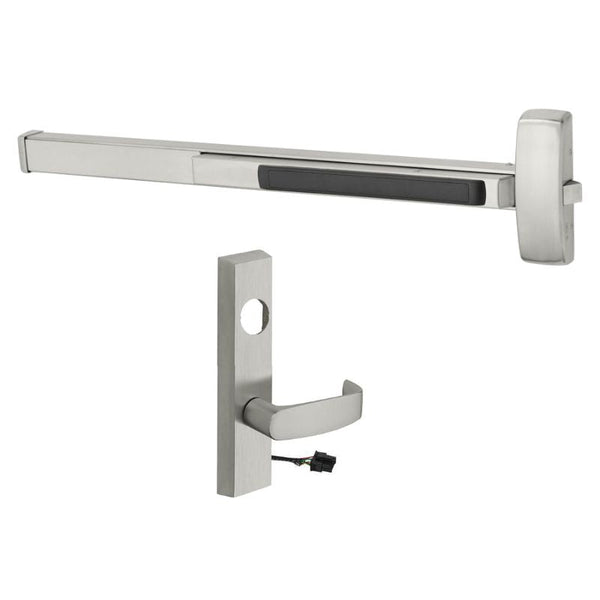
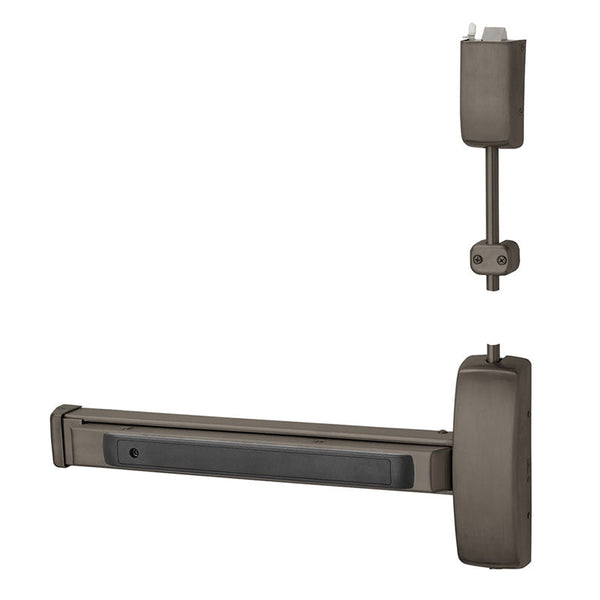
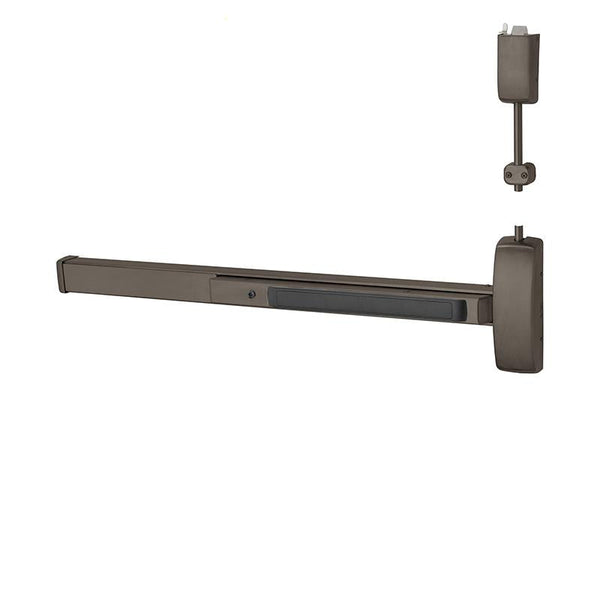


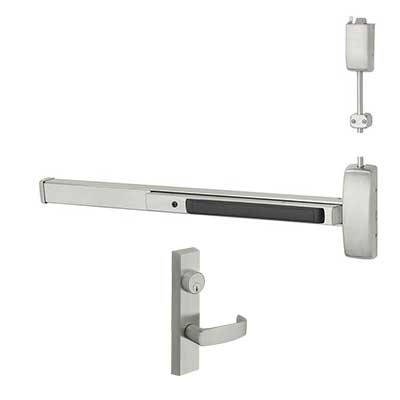
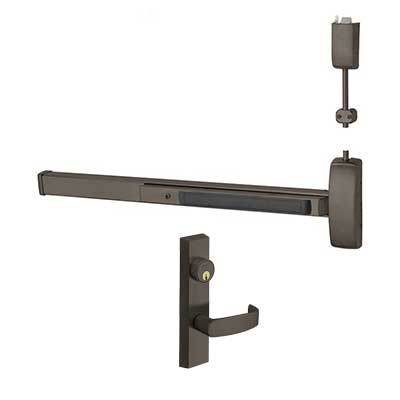
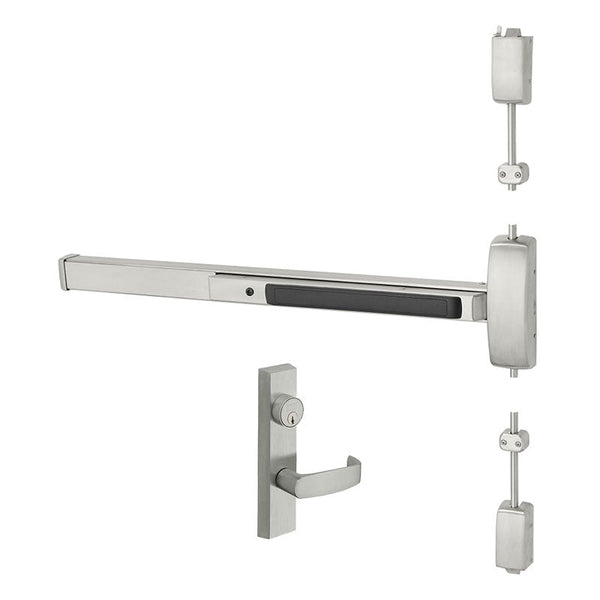
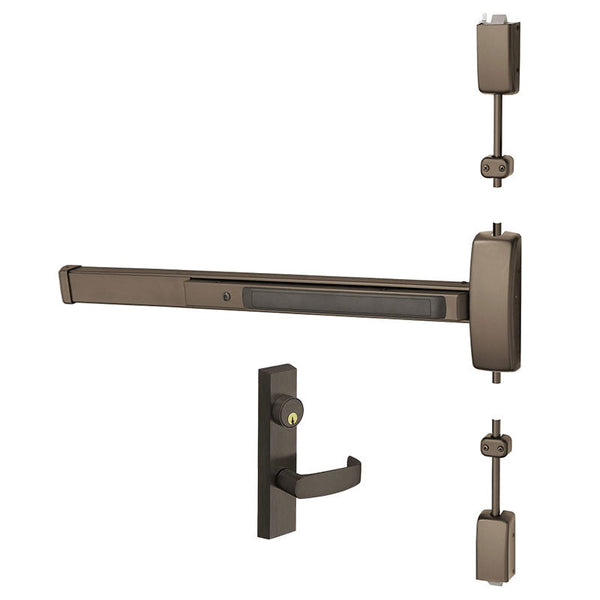
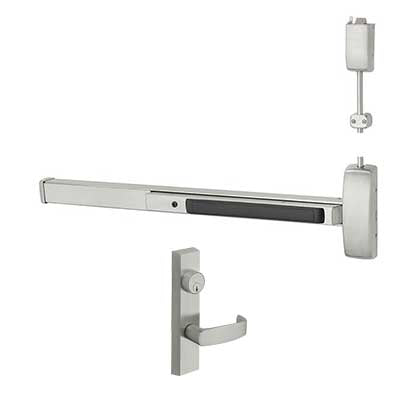
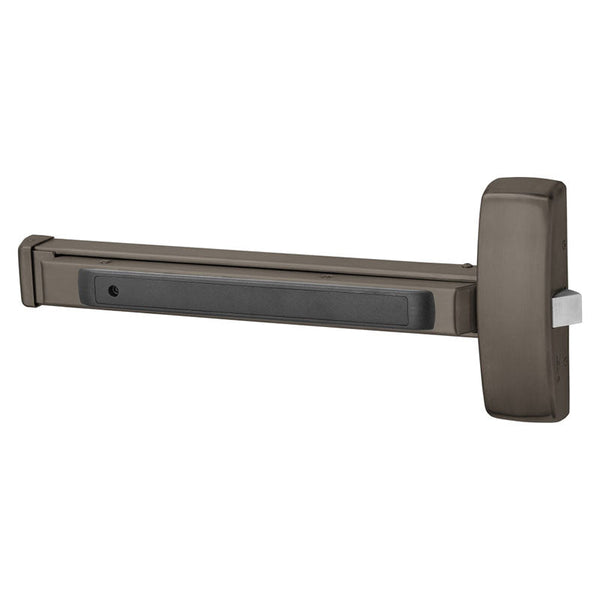
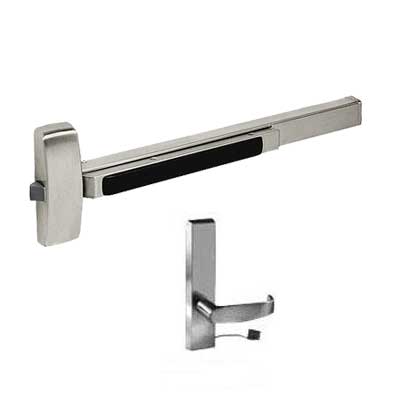
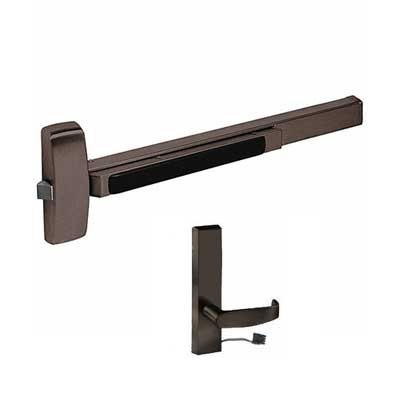
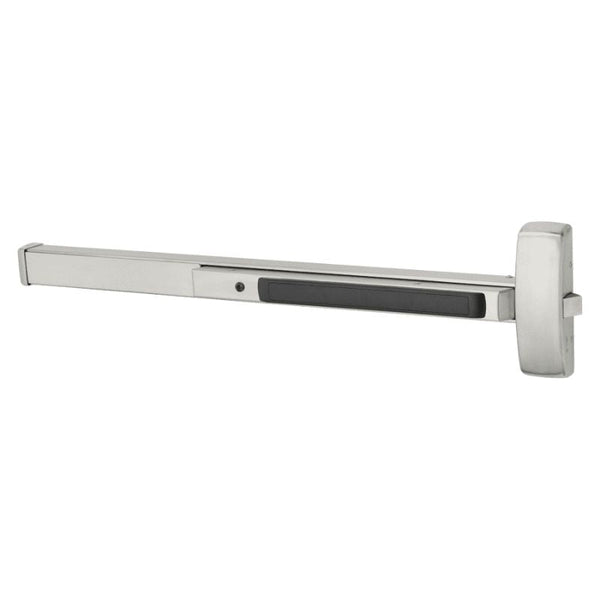
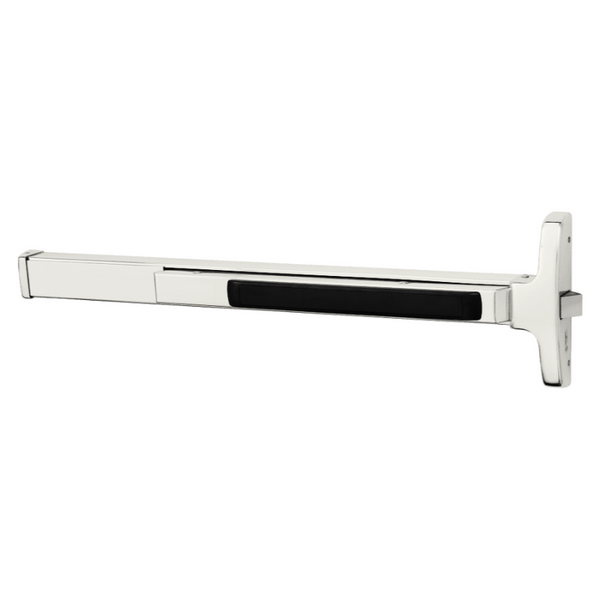
Exit Devices and Panic Bars for Commercial Doors
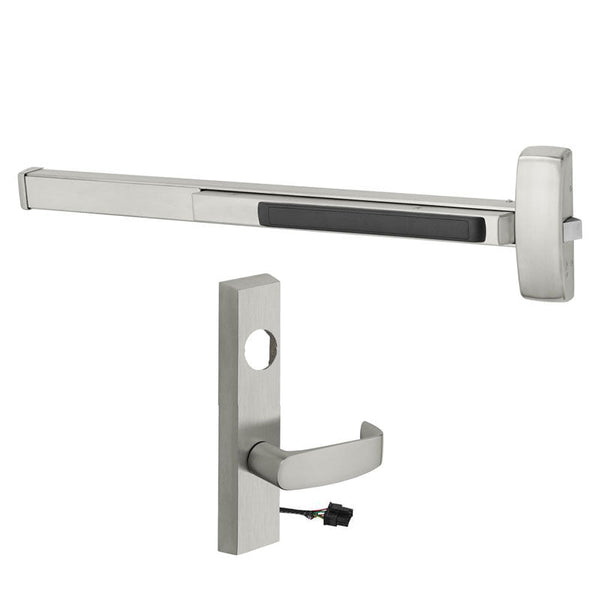
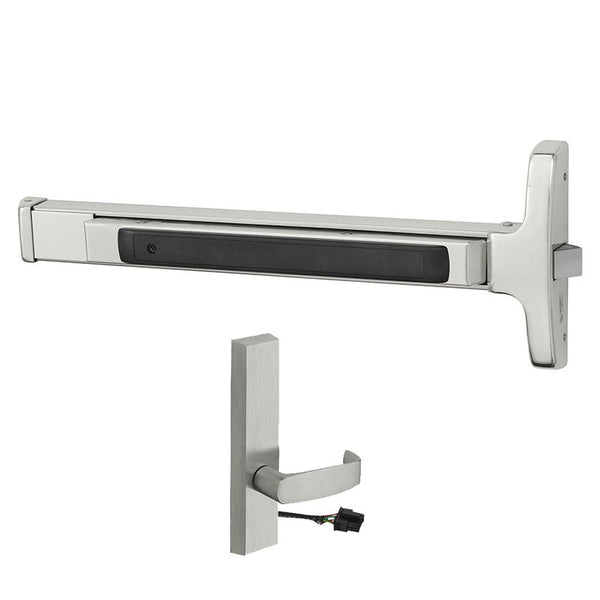
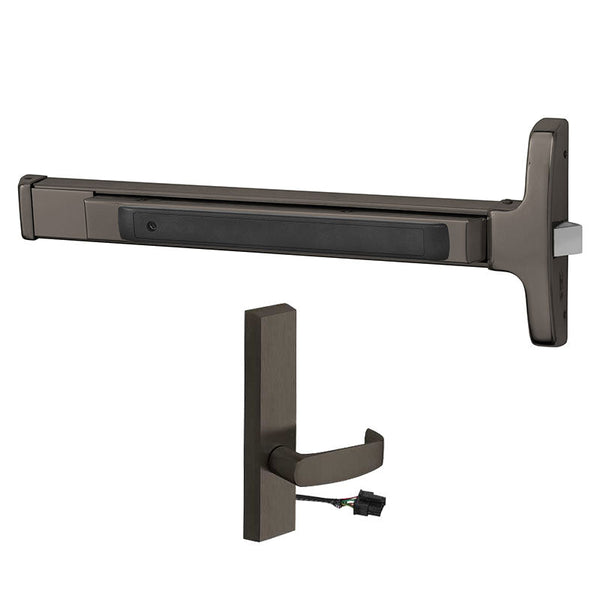
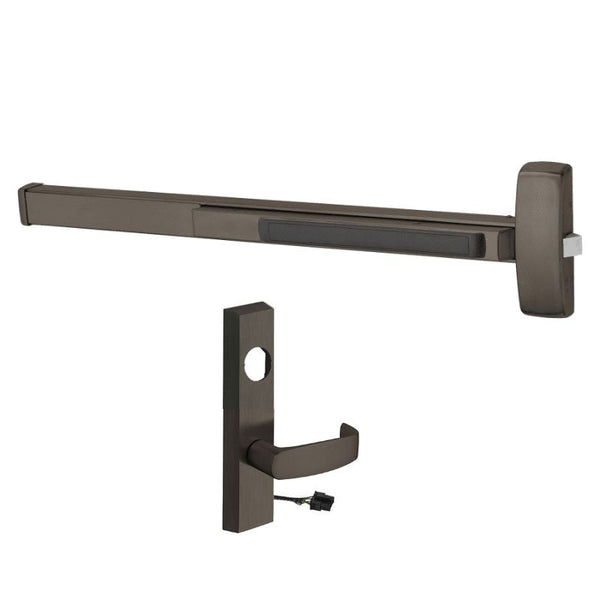
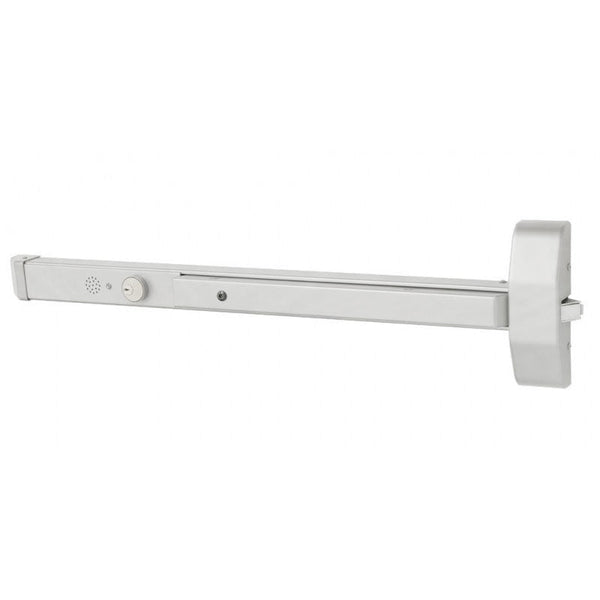
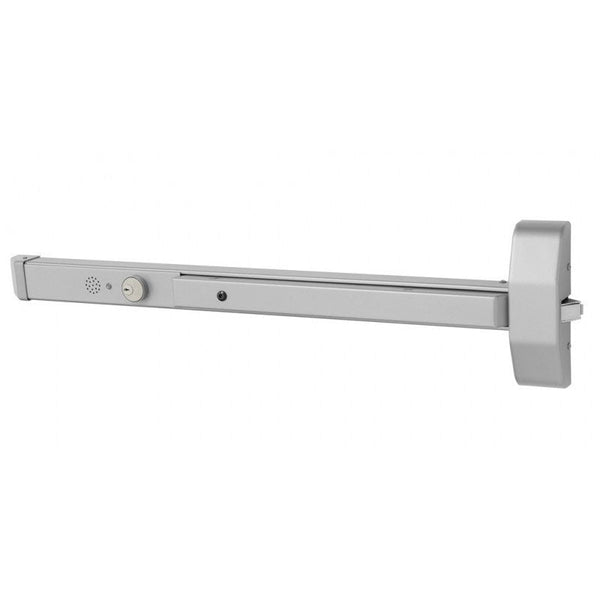
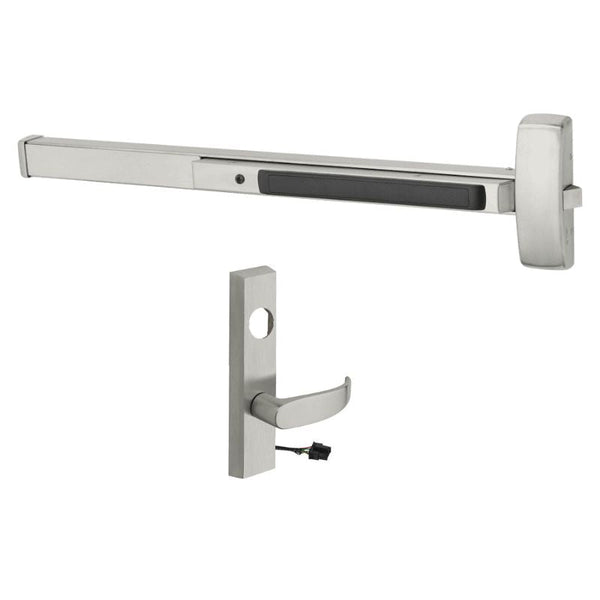
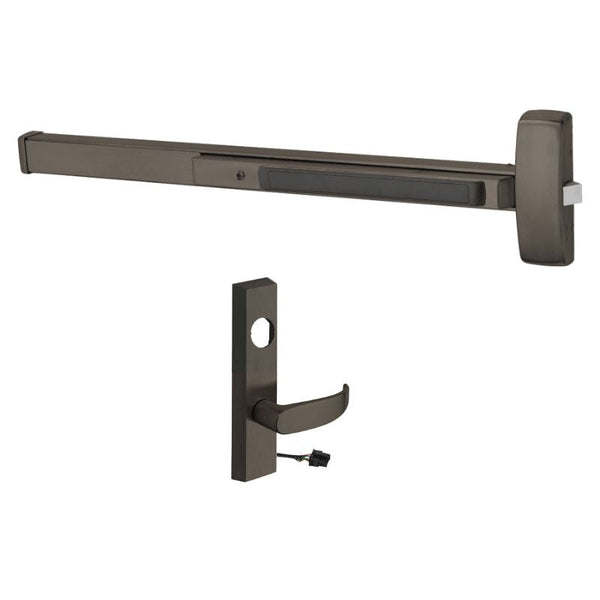
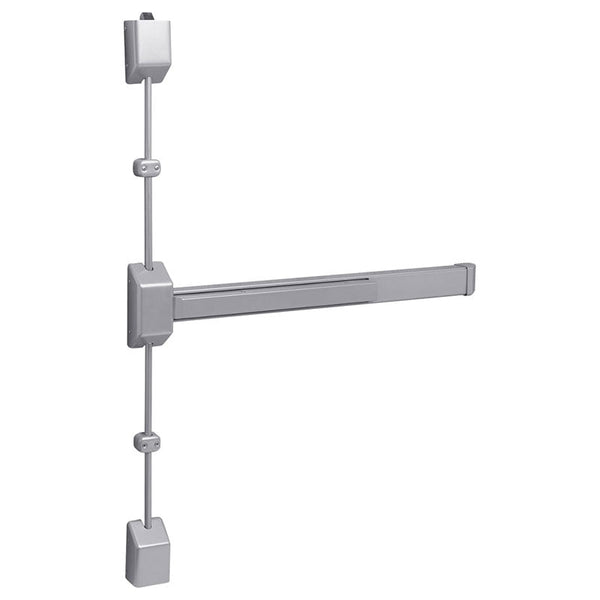
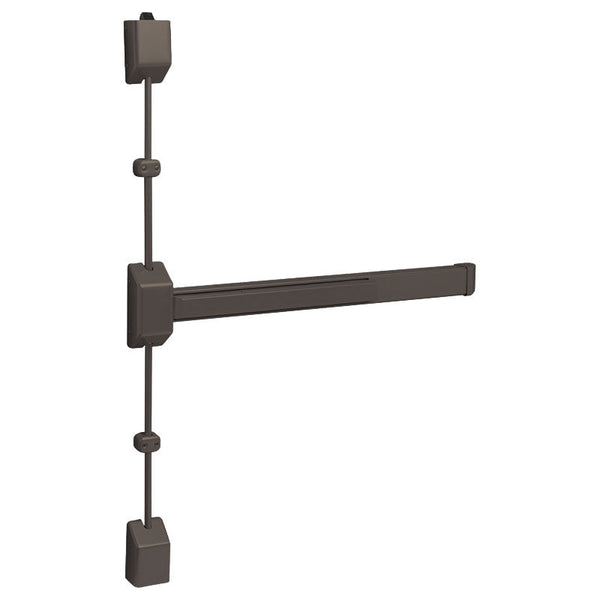
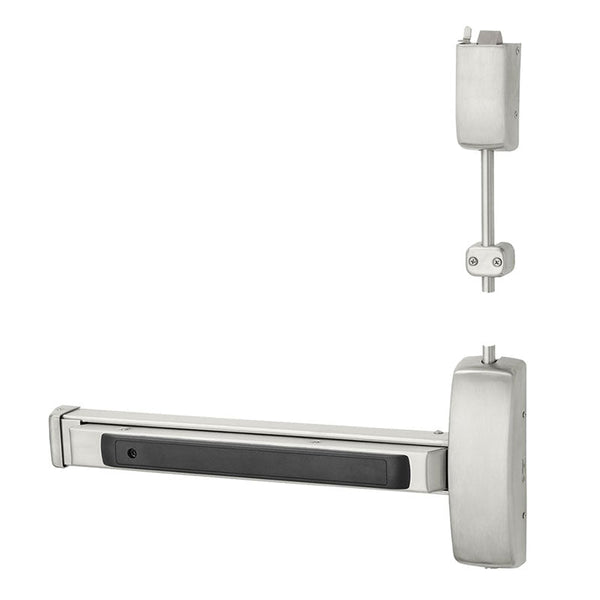
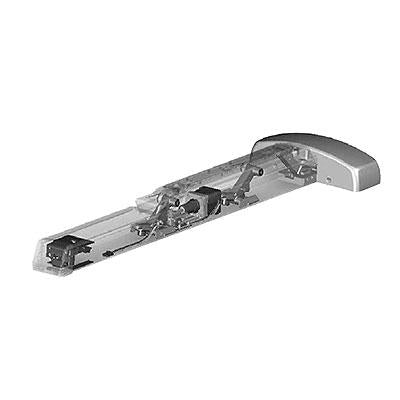
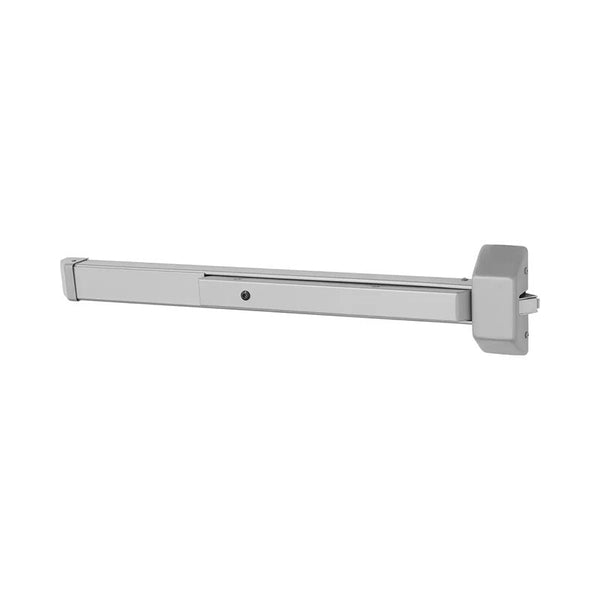
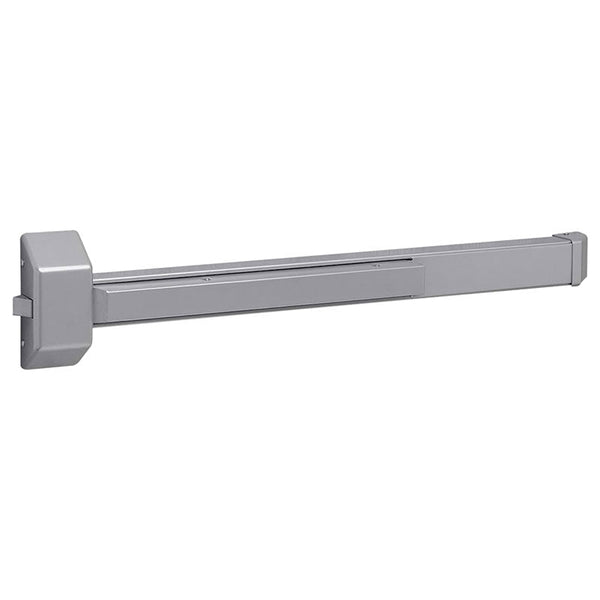
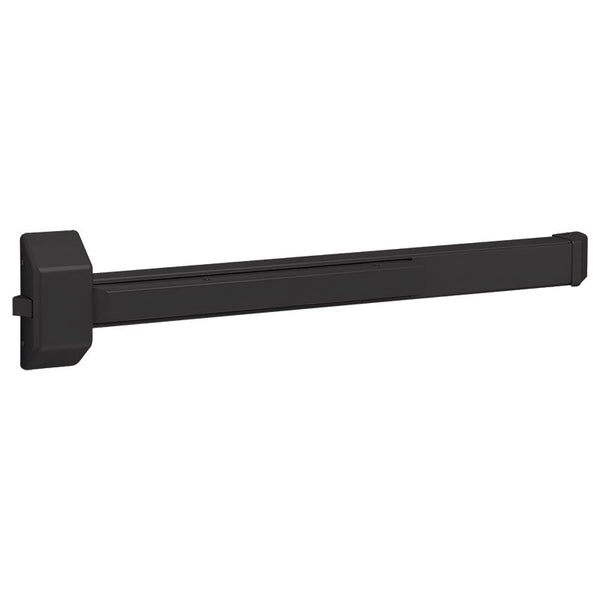
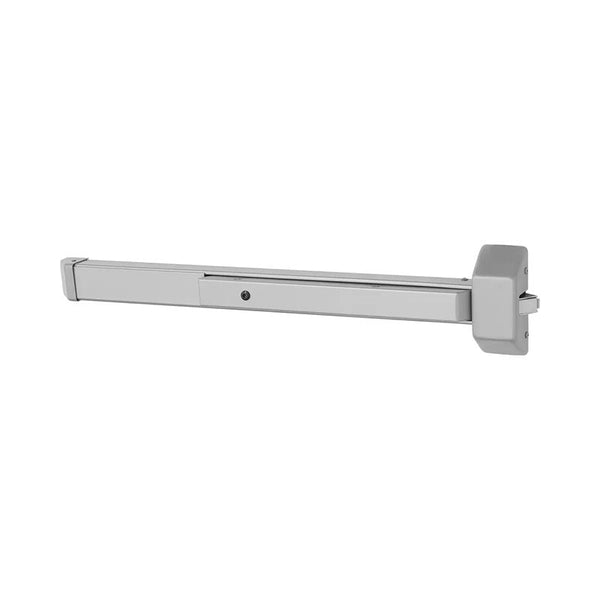
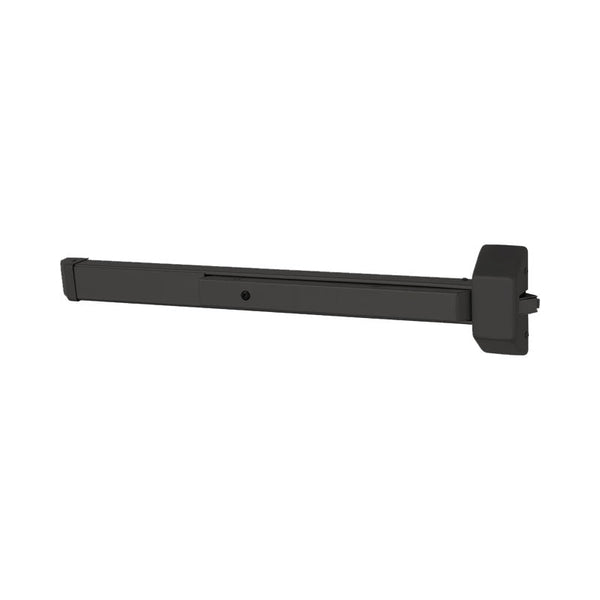
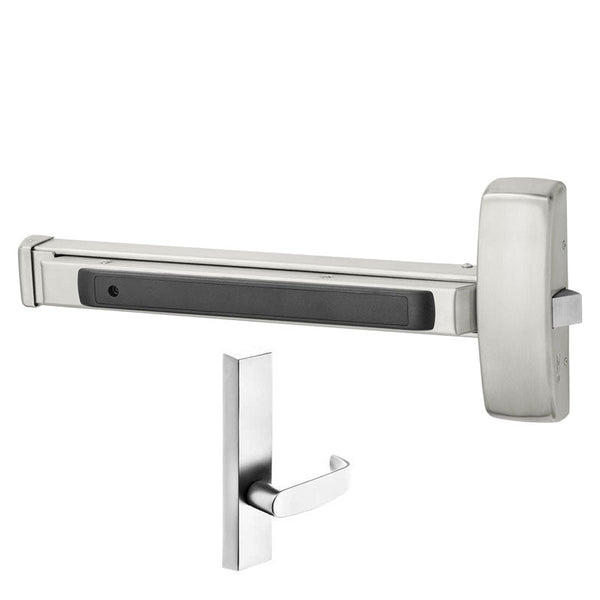
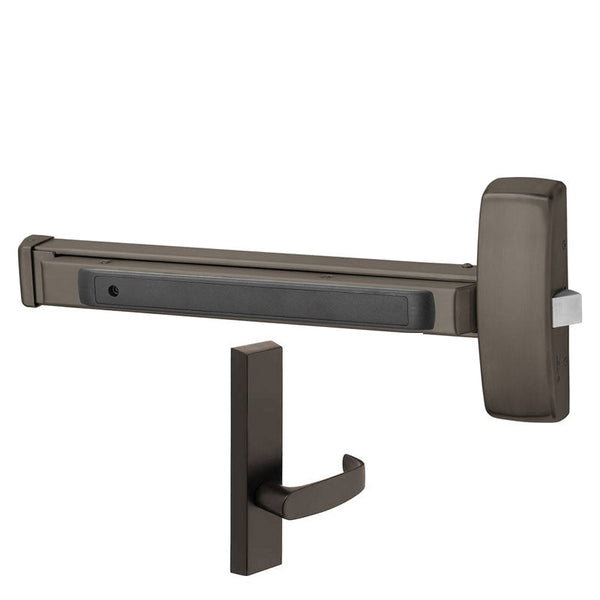
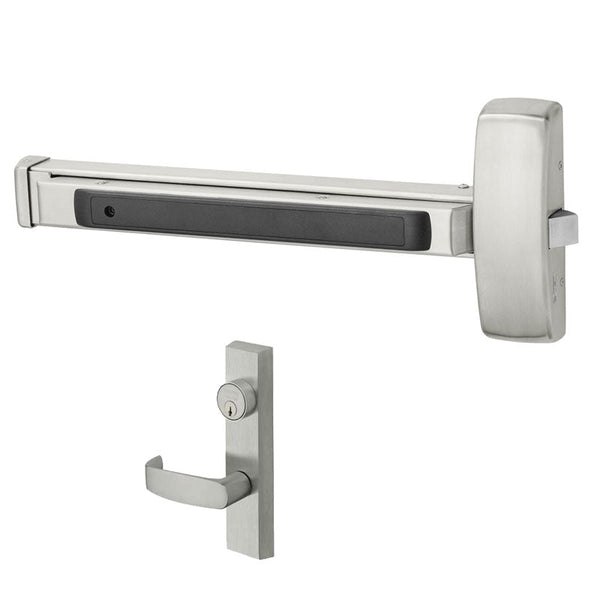
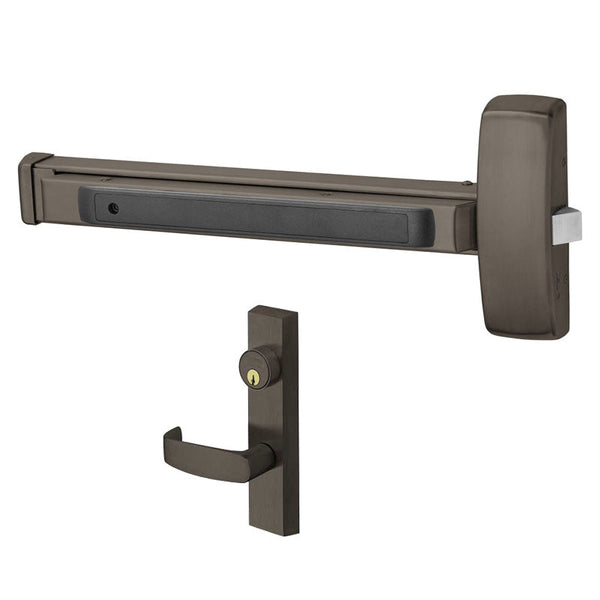
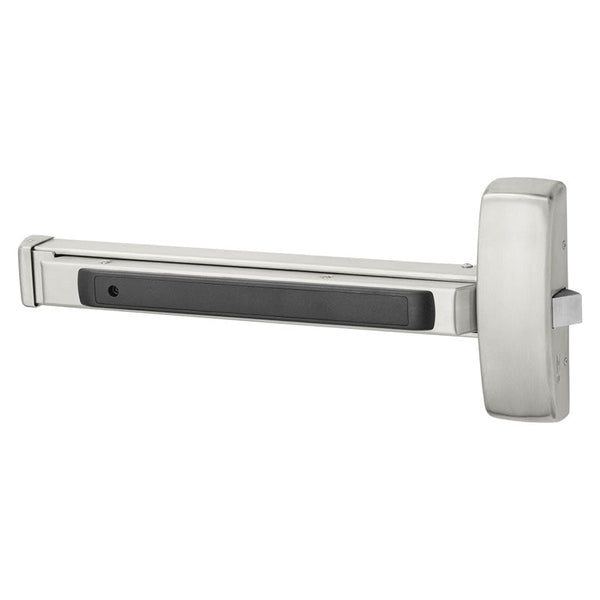
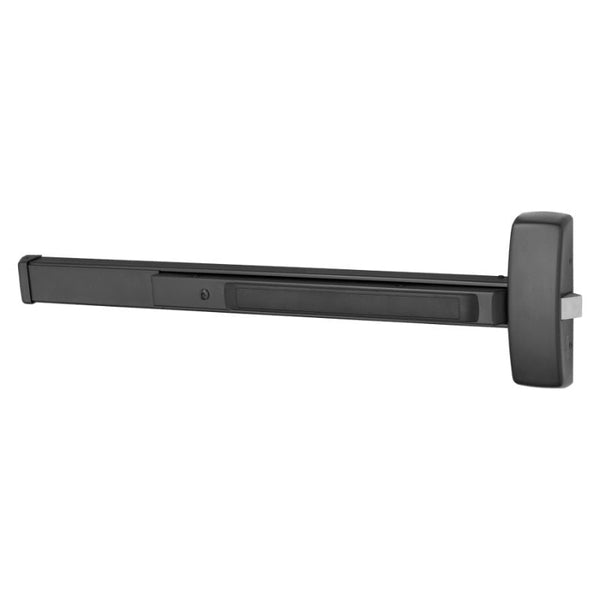
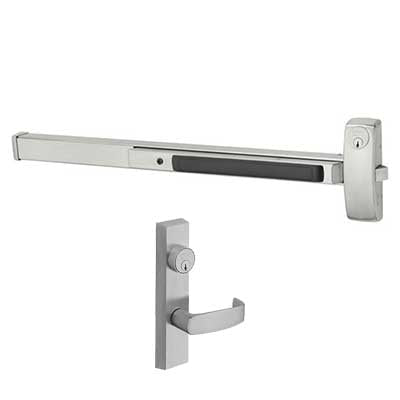
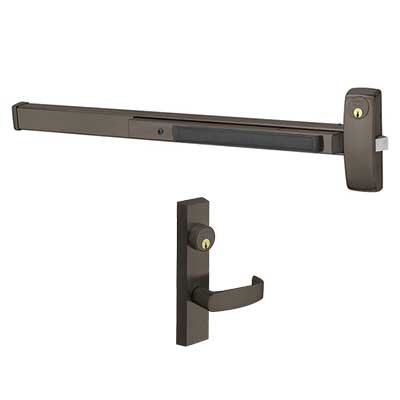
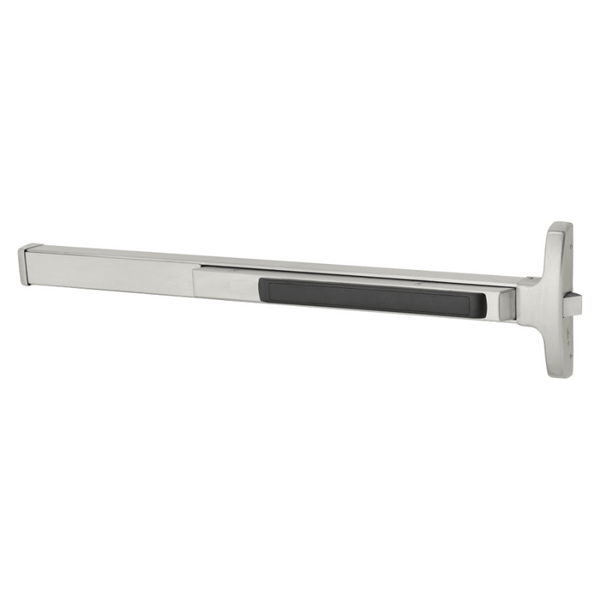
Commercial Exit devices, also known as crash or panic bars or push bars for doors, are the horizontal bars found on most exit doors in commercial buildings. Exit devices allow people to get out of a room quickly in emergencies. They require no prior knowledge of operating and can be opened by people with limited mobility or even small children.
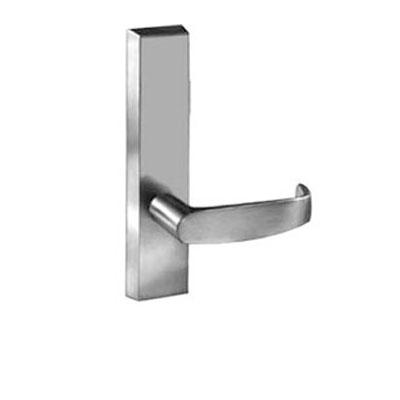
Panic bars exist for one reason: when people need to get out, the door has to open with a single push. Shop Sargent panic bars and exit devices for commercial doors, including rim, mortise, surface, and concealed vertical rod, alarmed, keypad, and electrified devices, plus the trims, mullions, and parts that complete the opening. Grade 1, fire-rated and non-rated, in stock at Commercial Door Hardware.
What a Panic Bar Does
A panic bar, also called a crash bar, push bar or exit device, is door hardware that releases the latch when someone pushes on a bar or pad across the door. It needs no key, no grip, and no knowledge of how the hardware works, which is exactly what matters when a crowd is moving toward an exit under stress.
The rule behind every exit device is simple: the door can be locked from the outside, but never from the inside. Everything else, from trim functions to alarms to access control, works around that rule.
When Panic Hardware Is Required
Building codes, including the International Building Code (IBC) and NFPA 101 Life Safety Code, require panic hardware on many exit doors. Requirements typically apply to assembly and educational occupancies above a set occupant load (commonly 50 or more), high-hazard occupancies, and certain electrical equipment rooms, along with other conditions in the adopted code. Exact requirements depend on the code edition adopted locally, so confirm every opening with your architect or authority having jurisdiction.
Types of Exit Devices
|
Type |
How it latches |
Best for |
Sargent series |
|---|---|---|---|
|
Rim |
Surface latch into a frame strike |
Single doors; pairs with a mullion |
8800, 8500, PE8800, 3828 |
|
Mortise |
Mortise lock in the door edge |
High-security single doors |
8900, 8300, 9900 |
|
Surface vertical rod |
Top and bottom latches, rods on door face |
Pairs without a mullion, retrofits |
8700, 3727, 9700 |
|
Concealed vertical rod |
Top and bottom latches, rods inside door |
Pairs with a clean door face |
8600, 8400 |
|
Alarmed |
Any type with built-in alarm |
Emergency-only exits |
5300, AL- prefix |
|
Keypad |
Rim or mortise with keypad trim |
Standalone code entry |
KP8877, KP8977 |
|
Crossbar |
Classic crossbar rail |
Historic and architectural doors |
90 Series |
Fire Rated vs. Non-Rated Exit Devices
|
Feature |
Fire rated (fire exit hardware) |
Non-rated (panic hardware) |
|---|---|---|
|
Where used |
Fire door assemblies such as stairwells and rated corridors |
Non-rated exit doors |
|
Latching |
Must positively latch every time the door closes |
Latching required, but may be dogged |
|
Mechanical dogging |
Not permitted |
Hex key or cylinder dogging available |
|
Sargent designation |
12- prefix |
Standard device |
|
Inspections |
Periodic fire door inspection under NFPA 80 |
Routine maintenance |
Fire-rated doors must be self-closing and self-latching so they hold back fire and smoke. That's why fire exit hardware can't be dogged open mechanically; where a rated opening needs push/pull access during the day, electric latch retraction that relatches on fire alarm is the solution.
Mechanical vs. Electrified Exit Devices
|
Feature |
Mechanical |
Electrified |
|---|---|---|
|
Power |
None |
12VDC or 24VDC, by option |
|
Outside control |
Key or trim function |
Access control, schedule or keypad |
|
Common options |
Dogging, trim functions |
56- latch retraction, 55- request-to-exit, 53- latch monitoring, 58- electric dogging, 73/74 electrified trim |
|
Power loss |
Not applicable |
Fail-safe unlocks, fail-secure stays locked (outside only) |
|
Egress |
Always free |
Always free |
Rail Sizes
|
Rail |
Door width |
No cutting at |
|---|---|---|
|
E |
24" to 32" |
32" |
|
F |
33" to 36" |
36" |
|
J |
37" to 42" |
42" |
|
G |
43" to 48" |
48" |
Popular Sargent Exit Devices
|
Model |
Description |
|---|---|
|
Sargent 8810F |
Wide stile rim, exit only |
|
Sargent 8813F-ETL |
Wide stile rim, classroom |
|
Sargent 56-8810F |
Rim with electric latch retraction |
|
Sargent 8510F |
Narrow stile rim, exit only |
|
Sargent 8904F |
Wide stile mortise, night latch |
|
Sargent 8710F |
Surface vertical rod, exit only |
|
Sargent 5300 Series |
Alarmed exit device |
|
Sargent KP8877 |
Keypad rim exit device |
|
Sargent PE8810 |
Next-generation PE80 rim |
Available Finishes
Exit devices use BHMA finish codes, which appear at the end of the part number.
|
Code |
Finish |
Where it fits |
|---|---|---|
|
630 / US32D |
Satin stainless steel |
The standard exit device finish; resists wear and cleaning |
|
629 / US32 |
Bright stainless steel |
Polished stainless entrances |
|
613 / US10B |
Oil rubbed bronze |
Bronze and darker hardware schedules |
|
605 / US3 |
Bright brass |
Traditional polished brass entrances |
|
606 / US4 |
Satin brass |
Satin brass hardware schedules |
|
689 / US28 |
Aluminum painted |
Matches aluminum framing and closers |
|
BSP |
Black suede powder coat |
Contemporary and dark hardware schedules |
|
WSP |
White suede powder coat |
White frames and light entrances |
-
630/US32D satin stainless is the standard and most durable exit device finish.
-
Bronze, brass and powder coat finishes match traditional and contemporary hardware schedules.
-
Value series such as the 3727 use EN aluminum and EB dark bronze enamel.
-
Sargent 80 Series exit devices are offered in most standard finishes but not in 626/US26D satin chrome, so 630/US32D satin stainless is the usual match where locksets elsewhere are satin chrome. Availability varies by model; confirm on the product page.
Shop by Category
|
Category |
What you'll find |
|---|---|
|
Alarmed Exit Devices |
Panic bars with built-in alarms |
|
Concealed Vertical Rod Exit Devices |
Rods hidden inside the door |
|
Electrified Exit Devices |
Latch retraction, request-to-exit and electrified trim |
|
Exit Device Trims |
Lever, pull and electrified outside trim |
|
Keypad Exit Devices |
Standalone code entry |
|
Exit Device Parts and Accessories |
Alarm kits, ELR kits, latches and strikes |
|
Mortise Exit Devices |
Mortise lock panic hardware |
|
Door Mullions |
Removable and fire-rated mullions |
|
Rim Exit Devices |
Wide and narrow stile rim panic bars |
|
Surface Vertical Rod Exit Devices |
Pairs without a mullion |
Benefits of Sargent Exit Devices
-
Single-motion egress for every occupant.
-
Grade 1 construction for high-traffic doors.
-
Fire-rated versions for rated openings.
-
Electrified options for access control.
-
Modular 80 Series design for easier service.
-
One platform across rim, mortise, and vertical rod devices.
Applications
-
Schools and universities.
-
Hospitals and healthcare.
-
Offices and government buildings.
-
Retail and hospitality.
-
Warehouses and industrial facilities.
-
Assembly spaces such as theaters, arenas and churches.
Why Order Sargent Panic Bars and Exit Devices from Commercial Door Hardware
Commercial Door Hardware supplies door hardware for schools, healthcare facilities, offices, retail, hospitality, and institutional buildings across the country, carrying exit devices, exit trim, locks, cylinders, closers, hinges, thresholds, weatherstripping, and the parts that go with them from Sargent, Von Duprin, Corbin Russwin, Accentra, Schlage, LCN, Norton, and Pemko.
From a single replacement latch to a full building's worth of exit hardware, we carry the devices, trims, mullions, power supplies, and parts to complete every exit opening.
Every item in this collection is in stock at Commercialdoorhardware.com and ships the same day, because a failed exit opening is a life safety and security problem rather than a maintenance item.